Bücher für alle
– von Anfang an!
Hier finden Sie Informationen zur Hamburger Buchstart-Tasche für einjährige Kinder und zum Begleitprogramm „Gedichte für Wichte“
Auf dem Weg vom Vorlese- zum Lesekind
Hier finden Sie Informationen zur Hamburger Buchstart-Tasche für viereinhalbjährige Kinder und zum Begleitprogramm Buchstart 4½
Ausgewählte Informationen über Buchstart in folgenden Sprachen:


Willkommen bei Buchstart
Bücher für alle. Von Anfang an.
Wir von Buchstart lieben Bilderbücher. Sie machen den Kindern und den Eltern Spaß. Und sie sind gut für die Sprache und die Entwicklung. Seit 2007 sorgen wir dafür, das die Hamburger Kinder so früh wie möglich ihre eigenen Bücher bekommen. Auf dieser Website informieren wir über unsere Arbeit, über die Buchstart-Tasche vom Kinderarzt und die „Gedichte für Wichte“-Gruppen.
„Fest der kleinen Wichte“ 2024: Feiert mit uns am 4. Juni
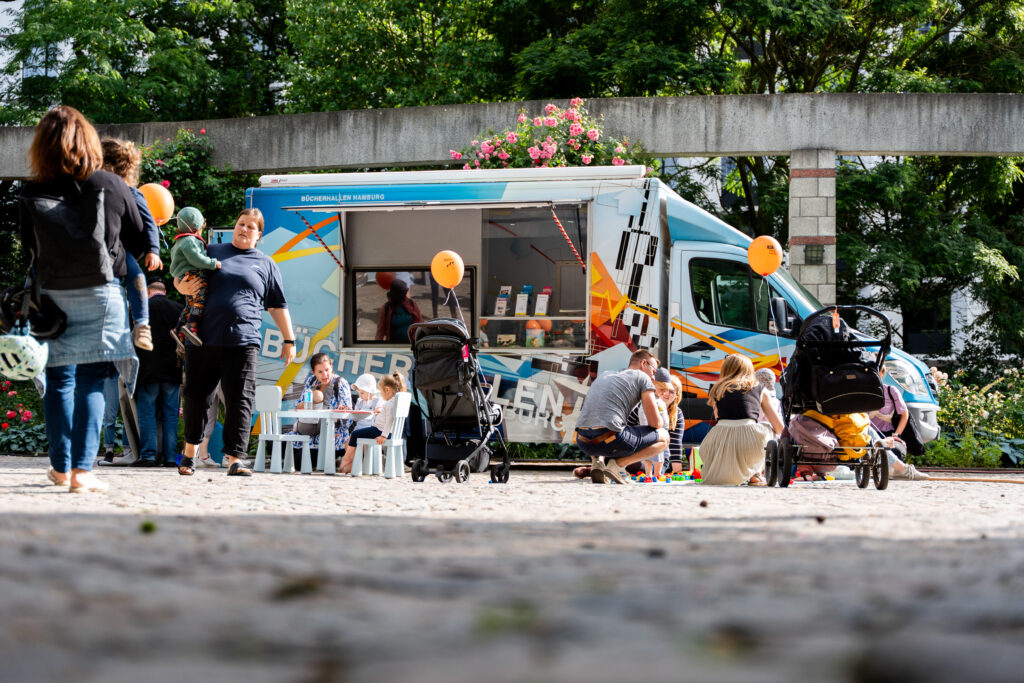
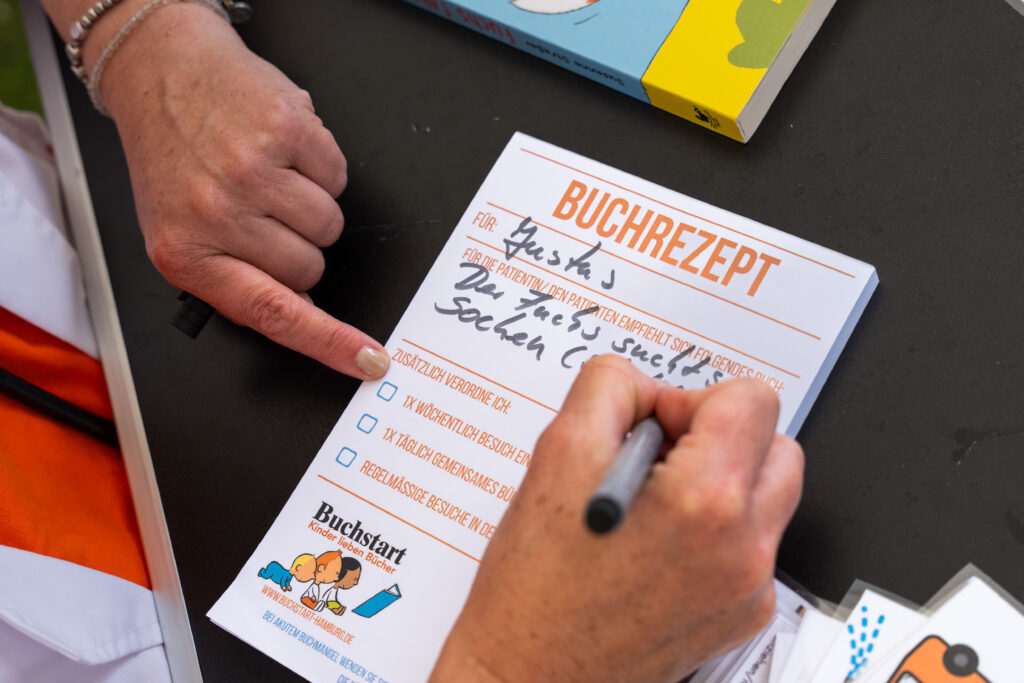
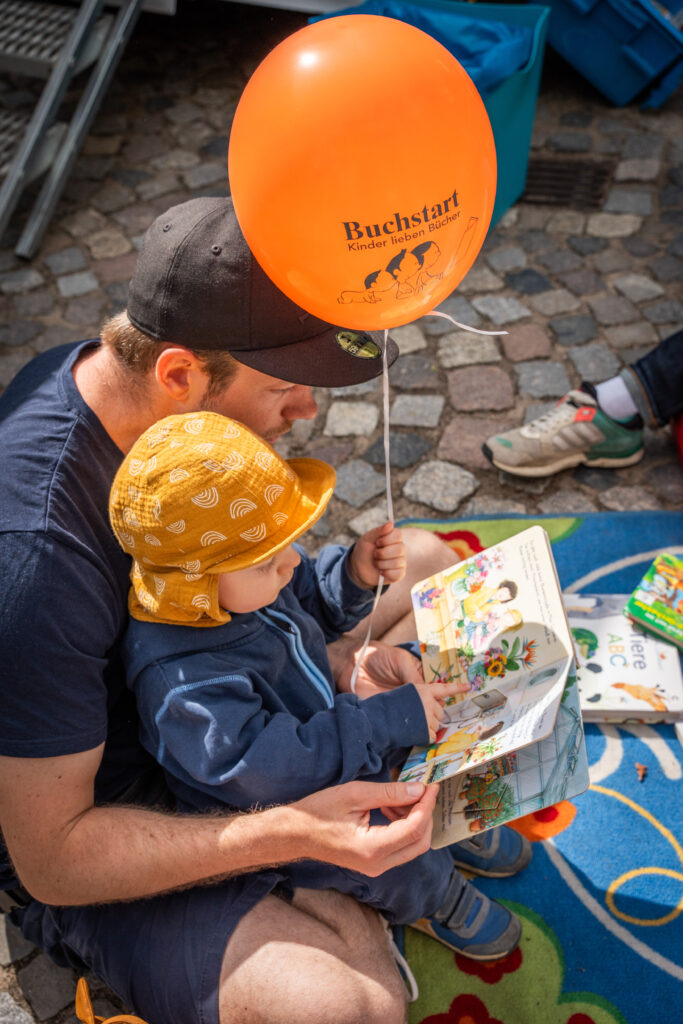
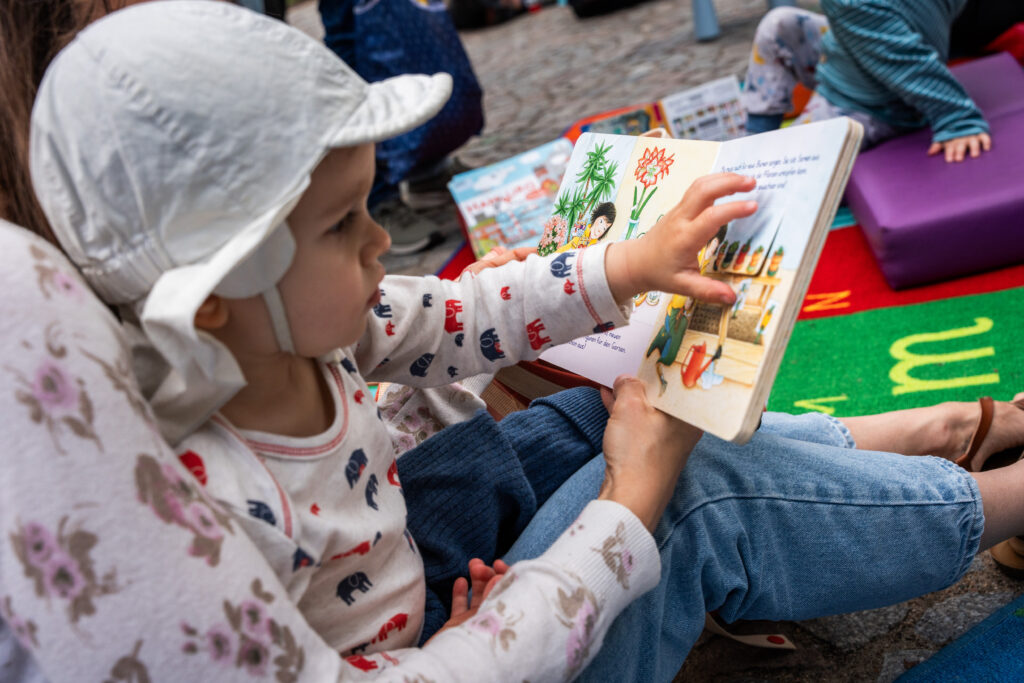
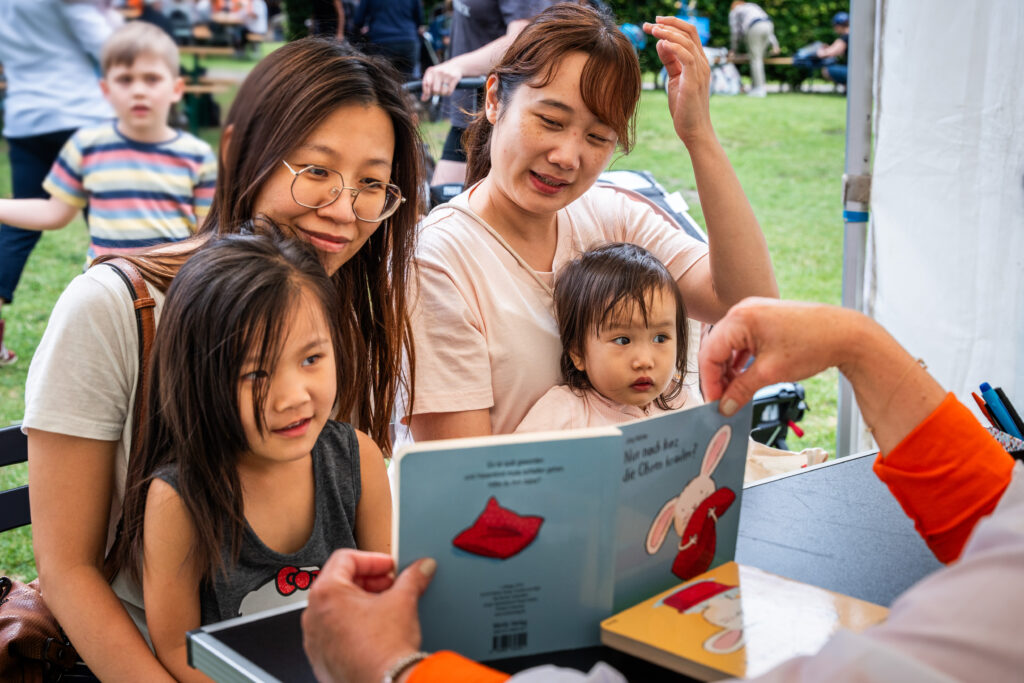
Am Dienstag, 4. Juni laden wir euch wieder alle nach draußen ein: Feiert mit uns beim Großen Spielplatz in Planten un Blomen das 14. Bücherfest für die Allerkleinsten!
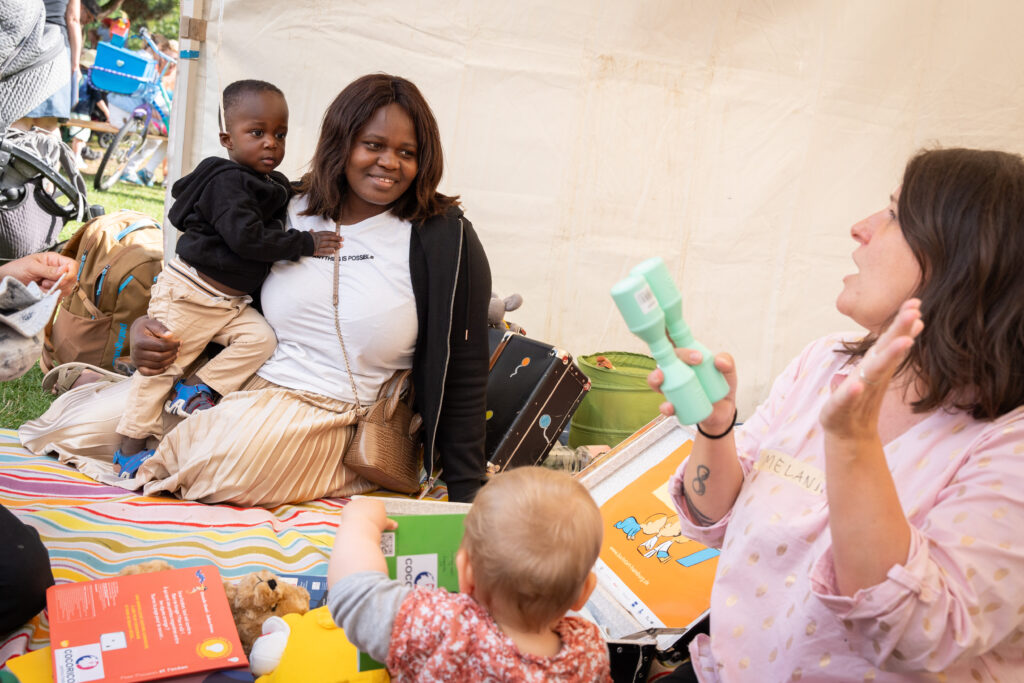
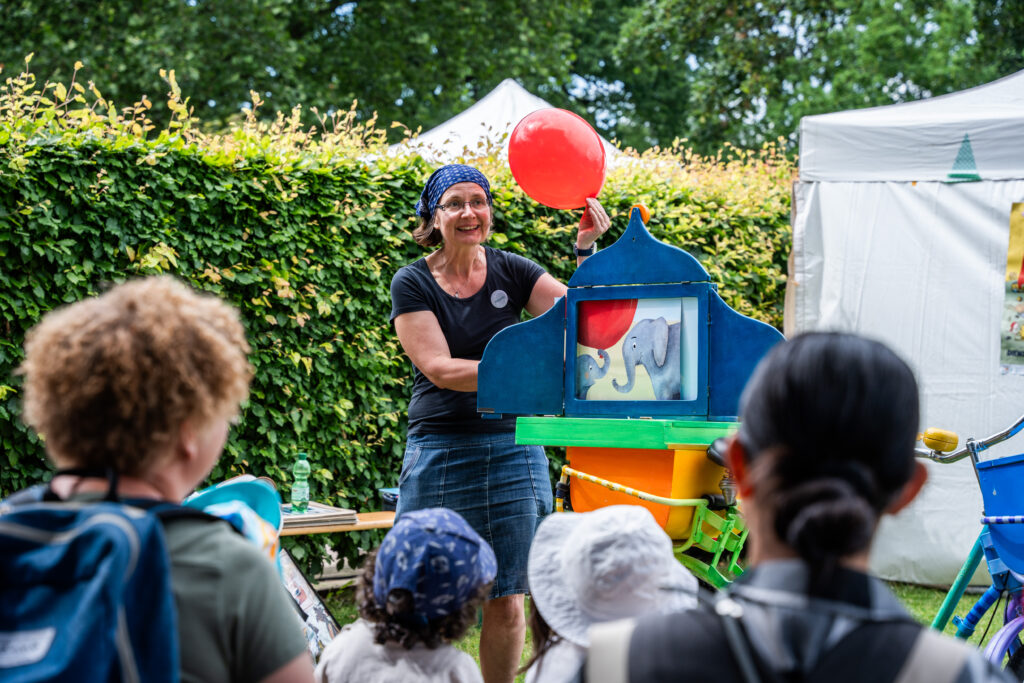
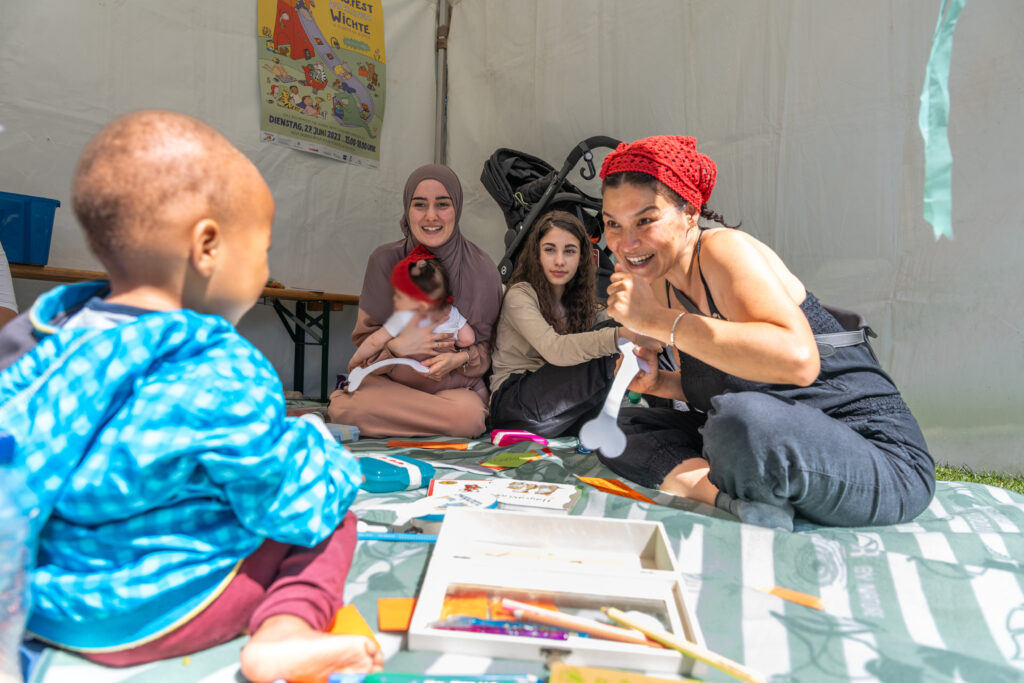
Im „Internationalen Dorf der kleinen Wichte“ könnt ihr wieder Bücher, Fingerspiele und Reime in vielen Sprachen live erleben und in der ambulanten Büchersprechstunde erhaltet ihr von Dr. h.c. Nicole Gutbuch frische Rezepte für neue Lieblingsbücher. Natürlich gibt es Luftballons, Riesenseifenblasen, Spiel- und Bastelstationen, den Bus der Bücherhallen, Schminken mit der Budnianer Hilfe sowie Saft und Muffins. Und zwischen all den Zelten spielt das mobile Duo „Wilde Malva“ wieder zum Tänzchen auf!
Wir freuen uns auf euch!!
Dienstag, 4.6.2024, 15-18 Uhr
Großer Spielplatz Bullerberge in Planten un Blomen.
Eintritt frei!
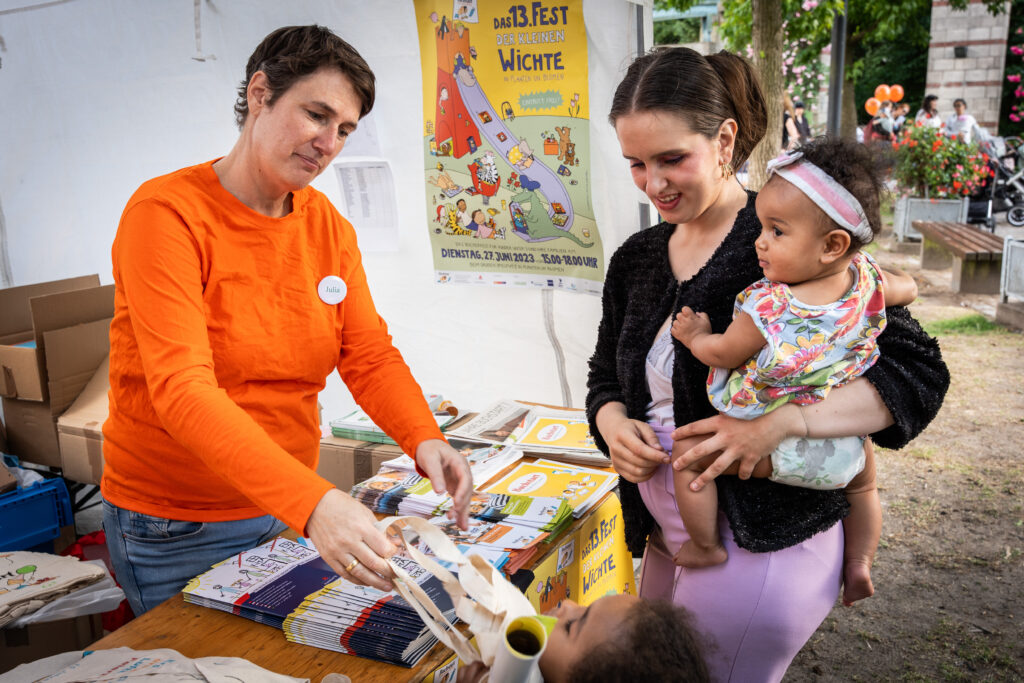
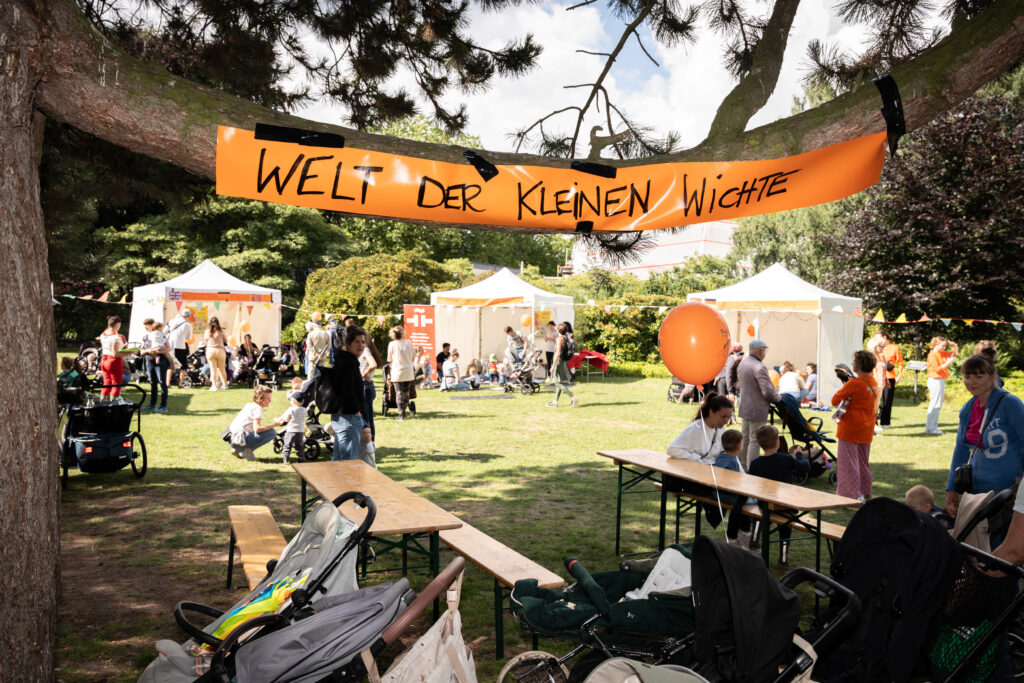
Impression vom letzten Jahr: Klicke auf die Pfeile links und rechts, um die Bildergalerie 2023 zu betrachten.

Mit dem Laden des Videos akzeptieren Sie die Datenschutzerklärung von YouTube.
Mehr erfahren
Buchstart ist ein Geschenk fürs Leben
Seit 2007 gibt es uns in Hamburg: Buchstart – die Kampagne für frühe Sprachförderung. Wir sorgen dafür, dass alle Babys in unserer Stadt mit Büchern aufwachsen: mit der bunten Buchstart-Tasche, die es zur U6 vom Kinderarzt gibt, und mit den Gedichte für Wichte-Gruppen in den Stadtteilen. Klicken Sie links auf den Buchstart-Infofilm und erfahren Sie mehr über unser Team und unsere Arbeit.
„Gedichte für Wichte“
Wöchentlicher Bücherspaß für die Allerkleinsten
„Gedichte für Wichte“: Das ist die tollste Stunde der Woche für alle Kinder unter 3 Jahren (und ihre Eltern), die Spaß an Sprache, Bilderbüchern, Reimen und ersten Liedern haben.
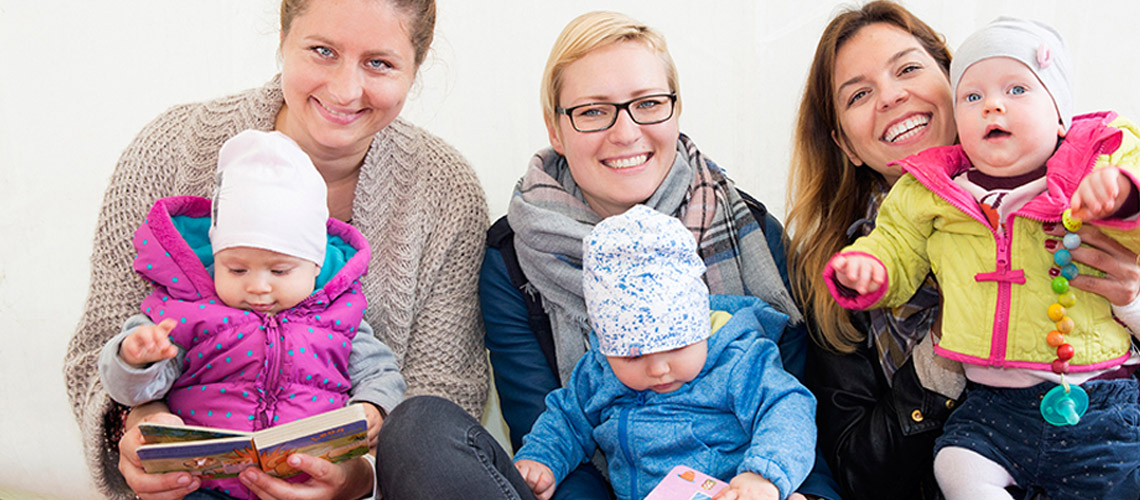
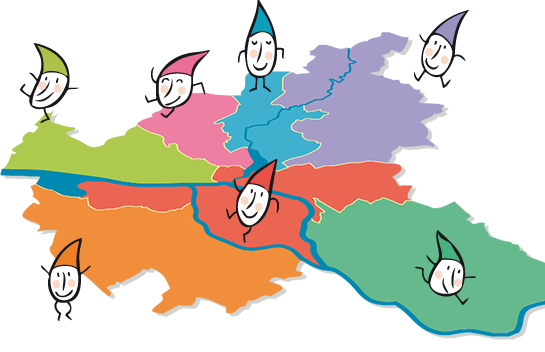
Zu Hause singen, Fingerspiele spielen und Bilderbücher gucken macht Spaß – aber in der Gruppe, gemeinsam mit anderen Kindern und ihren Eltern, ist es noch netter. Deshalb bietet Buchstart hamburgweit über 75 wöchentliche „Gedichte für Wichte“-Gruppen an – auf deutsch und in vielen anderen Sprachen.
Die Teilnahme ist kostenlos und ihr könnt jederzeit einsteigen. Kommt doch einfach mal vorbei!
Herzlich, euer Buchstart-Team
Kinder lieben Reime!
Buchstart sammelt Reime und Fingerspiele aus aller Welt – Sprachförderung pur. Seit neuestem haben wir sogar kleine Fingerspiel-Filme für Sie und Ihr Kind!
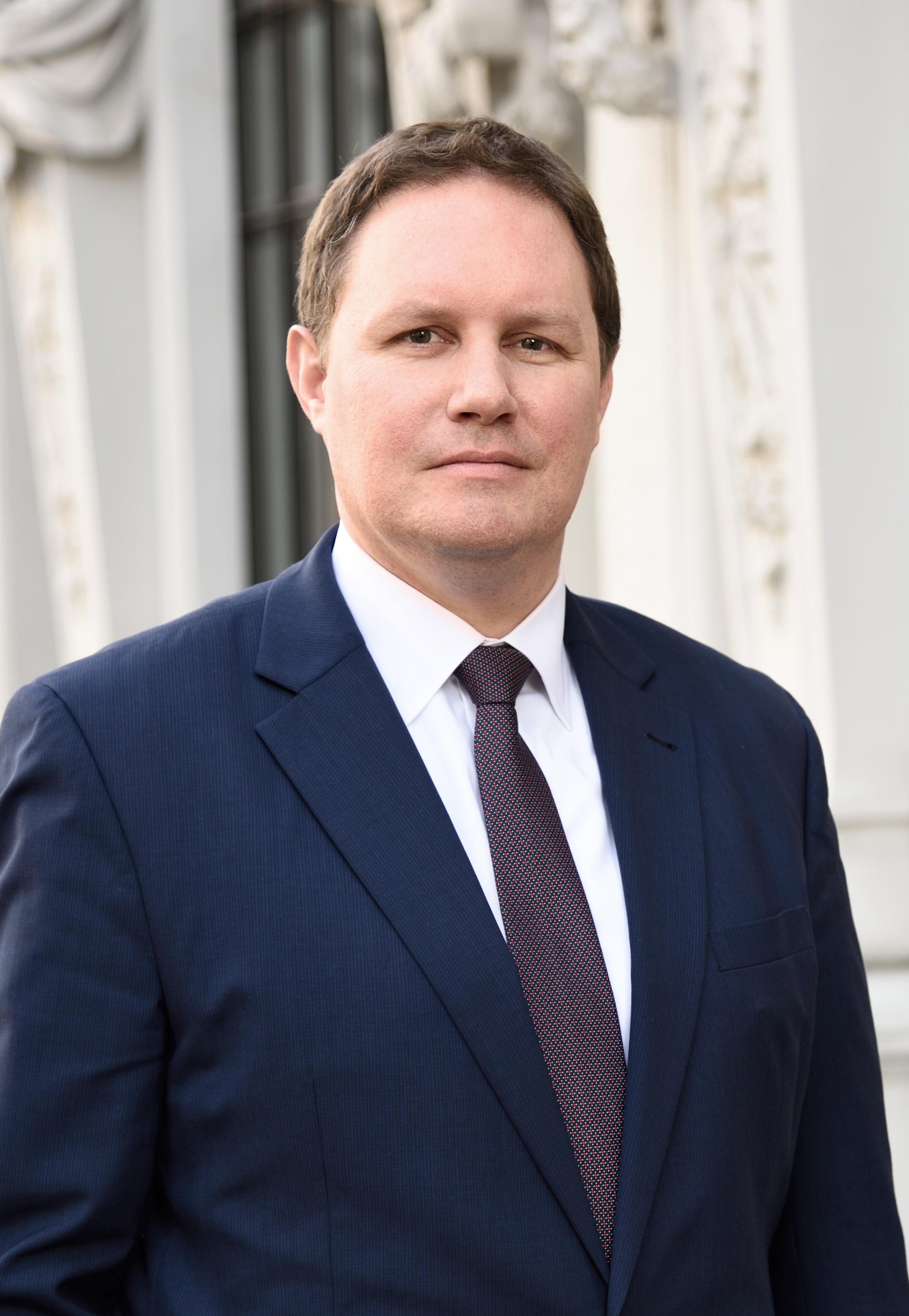
Das Erlernen von Sprache, die Beherrschung der Laute, die Kenntnis der Worte und ihrer Bedeutungen und Nuancen sind ganz zentrale Bausteine für die Entwicklung von Kindern. Deshalb ist es so wertvoll, dass das Buchstart-Projekt bereits seit 10 Jahren für die Allerjüngsten die Samenkörner des Lesens und Lernens säht.
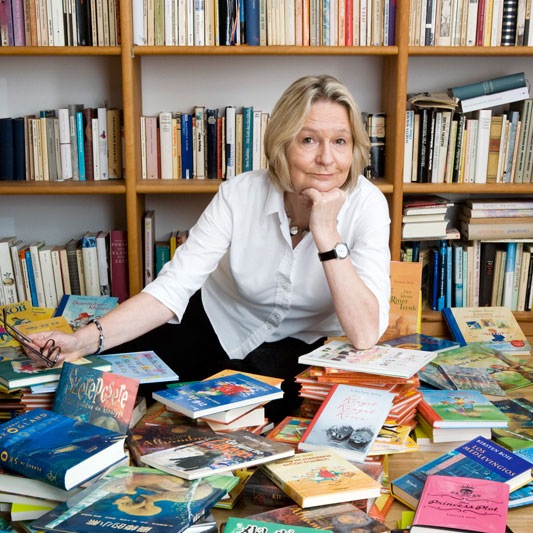
“Was für eine verrückte Idee! Babys können doch noch nicht mal sprechen! Die verstehen das doch noch gar nicht!" Aber doch! Genau jetzt ist der richtige Zeitpunkt. Alle Babys mögen es, mit einem Menschen, den sie lieb haben, Bücher zu begucken”
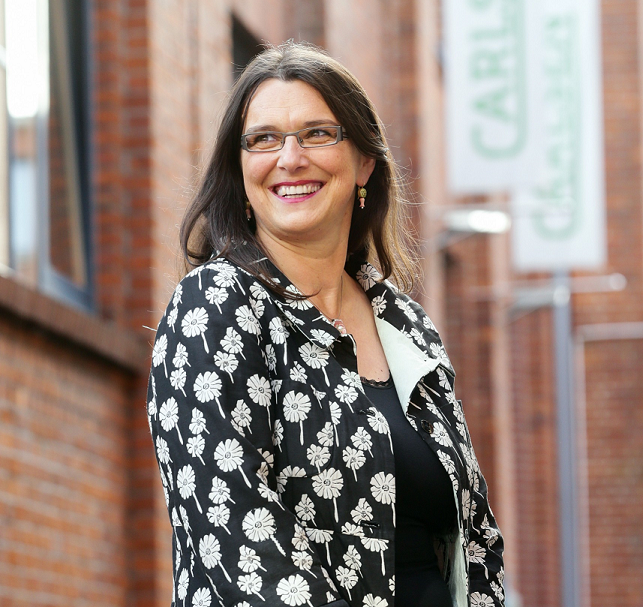
Bücher sind ideale Lebensbegleiter für die unterschiedlichsten Entwicklungsphasen der Kinder. Ich freue mich sehr darüber, dass wir als Carlsen Verlag das spannende und sehr wichtige Projekt „Buchstart“ begleiten und unterstützen dürfen und danke dem Team für den inspirierenden Austausch und die sehr engagierte Zusammenarbeit.
Ein riesengroßes Dankeschön von den Hamburger Kinderbüchermachern an alle Buchstarter und da vor allem an Nina Kuhn! Danke für 10 großartige Jahre voller Engagement, Danke für euren Mut, in Sachen Leseförderung voranzugehen, für eure Kreativität, für eure enorme Kompetenz und für eure Ausdauer. Wo stünden Kinderbuch und Lesekompetenz in Hamburg ohne euer Buchstart? Buchstart hat so viel dazu beigetragen, dass Hamburg zur Kinderbuchhauptstadt geworden ist. Danke!

"Die Vorsorgeuntersuchung U 6 ist mir die Liebste, weil ich da die Buchstarttasche übergeben darf: die Kinder und die Eltern freuen sich, schlagartig ist die Stimmung gut und die Untersuchung klappt wie am Schnürchen: Ich bin froh, dieses tolle Projekt begleiten zu dürfen!"

"Wir als Hamburger Kinder- und Jugendbuchverlag freuen uns sehr, dass die wunderbare Idee, schon Kleinkinder an Bücher heranzuführen, mit dem Buchstart-Projekt so erfolgreich realisiert werden konnte, und das bereits seit 10 Jahren! Wir freuen uns und sind stolz als Partner dabei zu sein."
"Bücher ermöglichen einen wunderbaren Einstieg in unsere wichtigsten Kulturtechniken. BUCHSTART hat mich von Anfang an begeistert. Daher ist es für mich eine große Freude, dass wir dieses großartige Projekt bereits seit 10 Jahren mit der BUDNIANER HILFE unterstützen können."
"Wer mit den schönen Büchern, Gedichten und Liedern von Buchstart aufwächst, der hat Glück gehabt. Es ist - abgesehen von meiner Kleinfamilie mit drei noch kleinen Kindern - das beste Projekt meines Lebens, das ich von der Pike auf begleiten und wachsen sehen darf. Zu dem Erfolg gehören wichtige Zutaten: die besten Projektmanagerinnen im Verbund mit kooperativen, wunderbaren Kinderärzten, mit Eltern, mit Vorlesern und vielen weiteren ehrenamtlichen Buchfreunden und vor allem den neugierigen, lern- und lesefreudigen Kindern."

Holt euch die Geschichtenfinder-Würfel!
Diese Woche feiern wir unsere Geschichtenfinder-Tage und haben da ein ganz besonderes Geschenk für euch: Noch bis zum 27. April könnt ihr
MEHR LESEN